
DogVaccination & Prevention
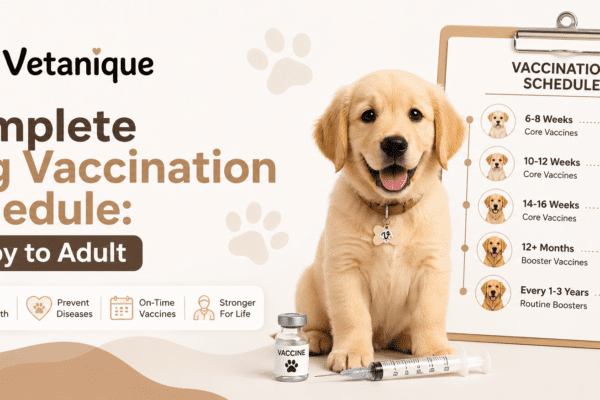
Complete Dog Vaccination Schedule: Puppy to Adult (Vet-Approved Chart)
Dog Vaccination Schedule: Puppy to Adult Vaccinations are the single most cost-effective health investment you can make for...
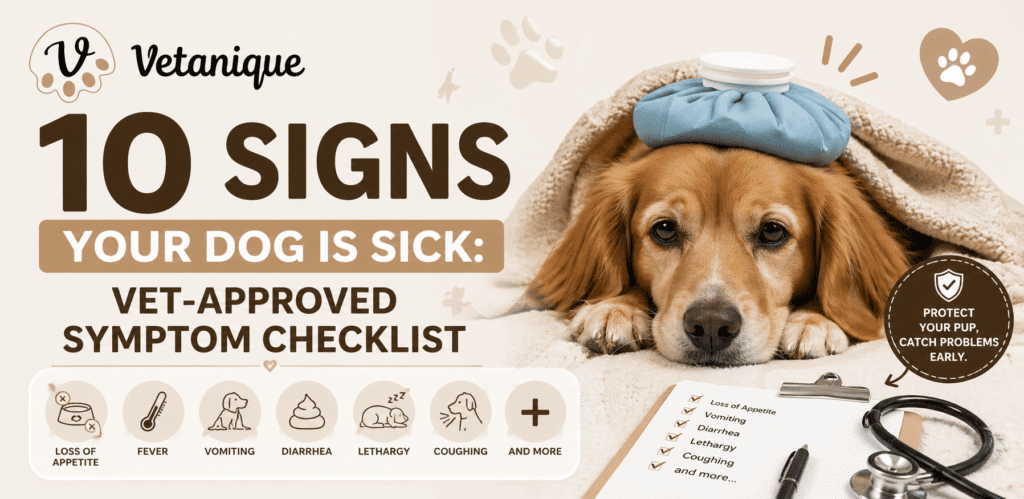
As a dog owner, you know your pet better than anyone. But dogs are masters at hiding pain — a survival instinct from their wild ancestors. By the time symptoms become obvious, illness can already be advanced. This vet-approved checklist helps you catch problems early, when treatment is most effective and least costly.
Use this as a monthly home health check — and bookmark it for when something feels ‘off’ about your dog.
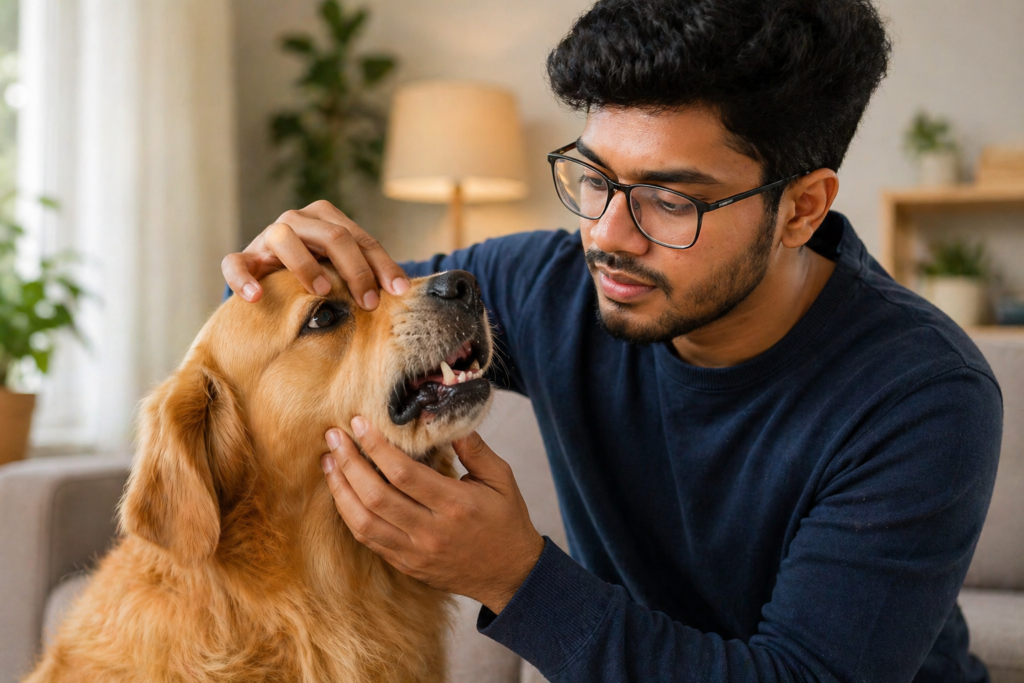
A dog that refuses food for more than 24 hours — especially a normally food-motivated dog — is sending a clear signal. While a single skipped meal is rarely serious, persistent appetite loss points to nausea, dental pain, infection, or organ disease.
| 🔴 When to act immediately:
If your dog hasn’t eaten in 48+ hours, is vomiting alongside not eating, or appears weak — contact your vet the same day. |
Every dog has lazy days. But lethargy that persists beyond 24–48 hours — particularly when combined with other symptoms — is one of the most reliable early signs of illness. Watch for dogs who refuse their morning walk, won’t engage with toys they normally love, or seem difficult to rouse.
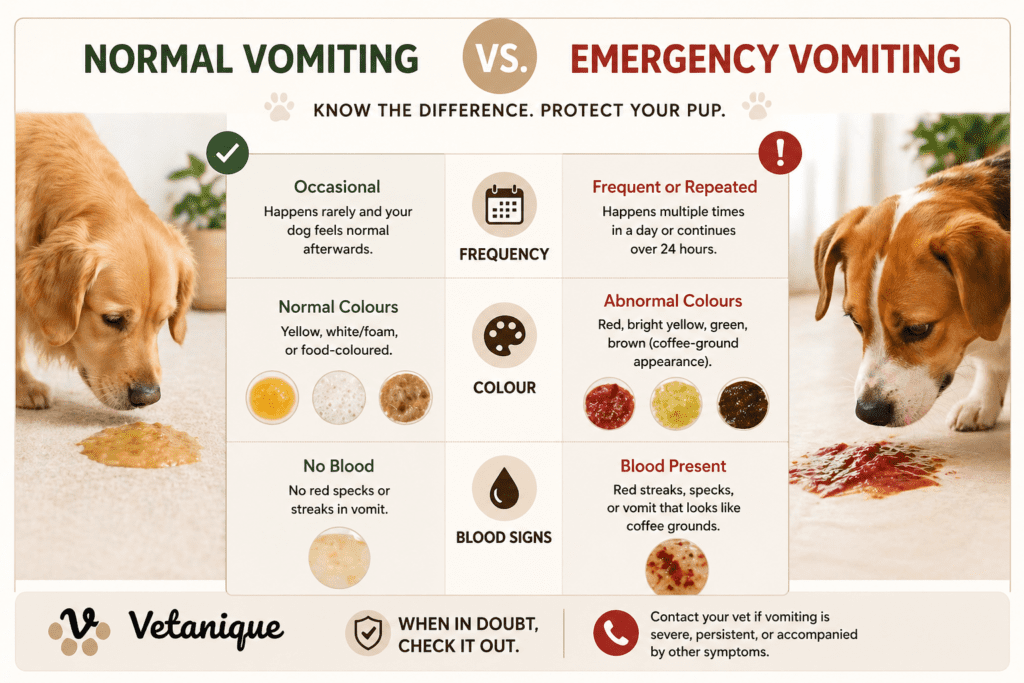
A single vomiting episode after eating grass is usually harmless. The concerning patterns are: vomiting more than 2–3 times in 24 hours, vomiting blood or material that looks like coffee grounds, or projectile vomiting in puppies, which can signal a serious obstruction.
Occasional loose stools happen. But diarrhea persisting beyond 24 hours — or any diarrhea containing blood, mucus, or a foul, unusual smell — needs veterinary attention. Puppies and senior dogs can become dangerously dehydrated within hours.
Is your dog suddenly draining the water bowl and asking to go out more often? Polydipsia (excess thirst) and polyuria (excess urination) together are classic early warning signs of diabetes mellitus, Cushing’s disease, kidney disease, or pyometra in unspayed females.
| 📋 Track it:
Note how many times your dog drinks per day and urinate per day for 48 hours before your vet visit — this information is invaluable for diagnosis. |
Occasional coughing after drinking too fast is harmless. But persistent coughing (especially at night), laboured breathing, or breathing with the mouth open in a dog that is not panting from heat or exercise demands same-day vet evaluation. In extreme cases — gums turning blue or grey — this is a life-threatening emergency requiring immediate care.
Healthy dog gums should be bubble-gum pink and moist. Checking your dog’s gums is one of the most powerful home health assessments you can do.
| Gum Color | What It May Mean | Action |
| Pale / White | Shock, internal bleeding, severe anemia | EMERGENCY VET NOW |
| Blue / Grey | Oxygen deprivation, heart failure | EMERGENCY VET NOW |
| Yellow (Jaundice) | Liver disease, tick fever | Same-day vet visit |
| Bright Red | Heatstroke, toxin exposure | Urgent vet care |
| Bubble-gum Pink | Normal and healthy | No action needed |
Losing more than 10% of body weight over 4–6 weeks without a diet change is always medically significant. Causes range from intestinal parasites and dental disease to cancer, kidney disease, and diabetes. If you can see your dog’s ribs without pressing — book a vet check.
A dog that suddenly refuses to put weight on a limb, cries when touched, or is reluctant to jump up — their normal enthusiastic self — is likely in pain. Causes range from a thorn in the paw to joint injury, fracture, or tick paralysis. Never ignore limping that lasts more than a few hours.
Get into the habit of running your hands over your dog’s body during grooming. New lumps — particularly those that are growing, feel hard, irregular in shape, or are attached to deeper tissue — should always be evaluated by a vet. Early detection of tumours dramatically improves outcomes.
| 🚨 WHEN TO GO TO THE EMERGENCY VET IMMEDIATELY
• Difficulty breathing or choking • Pale, blue, or grey gums • Collapse or inability to stand • Suspected poisoning • Bloated, hard abdomen (possible GDV / Bloat) • Seizures lasting more than 2 minutes • Uncontrolled bleeding • Suspected broken bones |
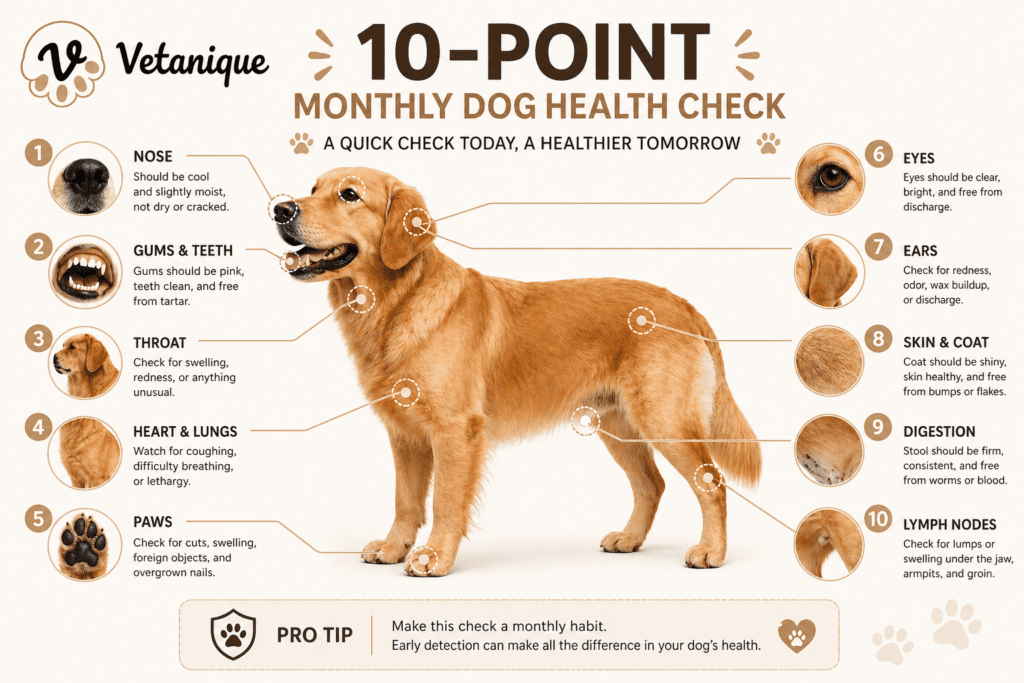
Once a month, set aside 5 minutes to run through this quick check — ideally after bath or grooming time when your dog is relaxed:
Signs of pain in dogs include: whimpering, panting without heat exposure, reluctance to be touched, hunched posture, loss of appetite, and aggression when normally calm. Dogs rarely vocalise pain obviously — look for these subtle behavioural changes.
In puppies, warning signs progress quickly. Watch for: no interest in nursing or food, continuous crying, failure to gain weight, difficulty breathing, pale or blue gums, or diarrhoea persisting beyond 12 hours. Puppies can deteriorate within hours — always err on the side of caution.
No. Many human medications — including ibuprofen, paracetamol/acetaminophen, and aspirin — are toxic to dogs and can cause fatal organ damage. Always consult your vet before giving any medication, including ‘natural’ or herbal products.
Small dogs, puppies, and senior dogs can deteriorate within hours from conditions like heatstroke, dehydration from vomiting and diarrhoea, or parvovirus. If in doubt, always contact your vet — a quick phone call could save your dog’s life.
| 💡 RELATED ARTICLES
→ Dog Not Eating: 14 Causes and What to Do Right Now → Dog Vomiting: When Is It Normal and When Is It an Emergency? → Complete Dog Vaccination Schedule: Puppy to Adult → How to Tell If a Dog Is In Pain: 12 Subtle Signs Owners Miss |
Dog Vaccination Schedule: Puppy to Adult Vaccinations are the single most cost-effective health investment you can make for...