
CatCat Facts
Hidden Facts About Cats: 10 Amazing Things Every Cat Owner Should Know
Hidden Facts About Cats: 10 Amazing Things Every Cat Owner Should Know Cats have fascinated humans for thousands...
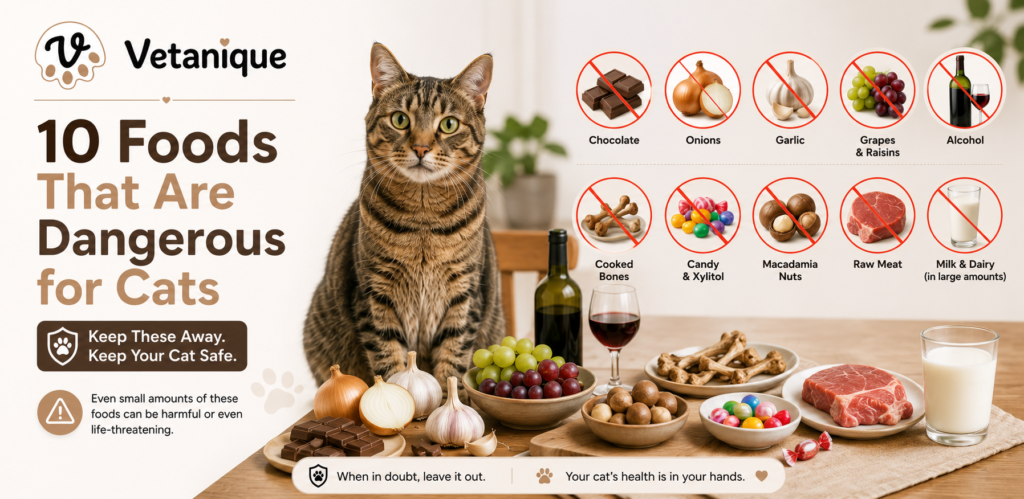
Knowing the foods you should never feed your cat is one of the easiest ways to prevent accidental poisoning at home.Many cat owners love sharing treats with their feline companions. While it may seem harmless to offer a bite from your plate, some everyday foods can be extremely dangerous—even fatal—for cats.
Unlike humans, cats metabolize many substances differently. Certain foods that are perfectly safe for us can damage their red blood cells, kidneys, liver, nervous system, or digestive tract.
In this veterinarian-reviewed guide, we’ll explain the 10 foods you should never feed your cat, why they’re dangerous, the signs of food poisoning, and what to do if your cat accidentally eats them.
Cats are obligate carnivores, meaning their bodies are designed to obtain nutrients primarily from animal protein.
Their liver enzymes process toxins differently than dogs and humans. As a result, relatively small amounts of certain foods may lead to serious illness.
Common consequences include:
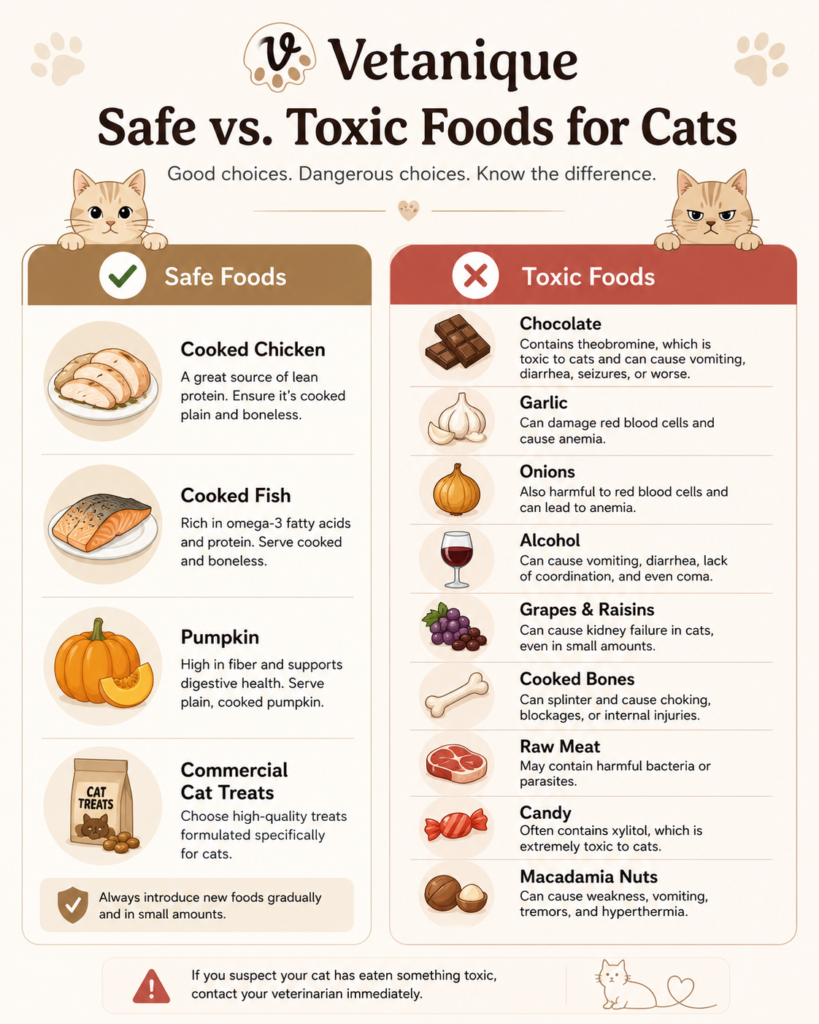
Below are the 10 foods you should never feed your cat and why each one can be dangerous.
Chocolate contains theobromine and caffeine, both of which are toxic to cats.
Even a small amount can affect the nervous system and heart.
Dark chocolate and baking chocolate are especially dangerous because they contain higher concentrations of theobromine.
Garlic, onions, chives, and leeks belong to the Allium family.
These vegetables can destroy red blood cells and cause hemolytic anemia.
Both raw and cooked forms are dangerous.
Many people assume cats love milk.
In reality, most adult cats are lactose intolerant.
Drinking milk can cause:
While tiny amounts may not be toxic, dairy products are generally unnecessary in a balanced feline diet.
Although toxicity is better documented in dogs, macadamia nuts are not recommended for cats due to potential digestive and neurological effects.
Possible signs include:
Avoid feeding any nuts to cats.
Cooked bones become brittle.
They can splinter and cause:
Never allow cats to chew cooked poultry or meat bones.
Even tiny amounts of alcohol can be life-threatening.
Alcohol rapidly depresses the central nervous system.
Symptoms include:
Keep alcoholic beverages completely out of reach.
While cats naturally eat meat, feeding raw meat carries significant risks.
Raw meat may contain harmful bacteria such as:
It may also contain parasites.
Commercially prepared diets undergo quality control processes that reduce these risks.
Although kidney toxicity is well established in dogs, the evidence in cats is limited because grape ingestion is relatively uncommon. However, veterinary toxicologists generally recommend treating grapes and raisins as potentially hazardous to cats and avoiding them altogether.
Possible symptoms include:
Candy provides no nutritional value and can cause digestive upset.
More importantly, some sugar-free products contain xylitol, which is highly toxic to dogs. While xylitol toxicity is not well documented in cats, sugar-free products should still be kept away from cats because ingredients vary and may pose other risks.
Avoid:
Large amounts of fatty foods or meat trimmings can upset a cat’s digestive system and may contribute to pancreatitis in some cats.
Symptoms may include:
Many of the foods you should never feed your cat are common household items that owners don’t realize are harmful. Instead, feed a nutritionally complete commercial cat food or a veterinarian-approved homemade diet.
Watch for:
Symptoms may appear within minutes or may take several hours depending on the toxin. Foods you should never feed your cat which is new to your cat before approval of a veterinarian.
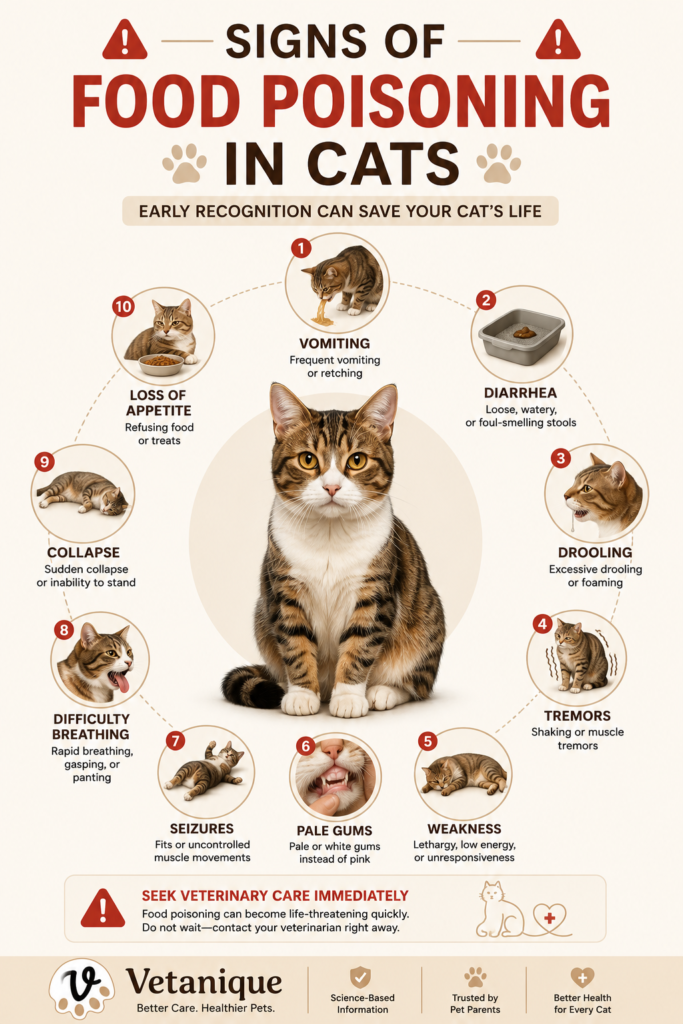
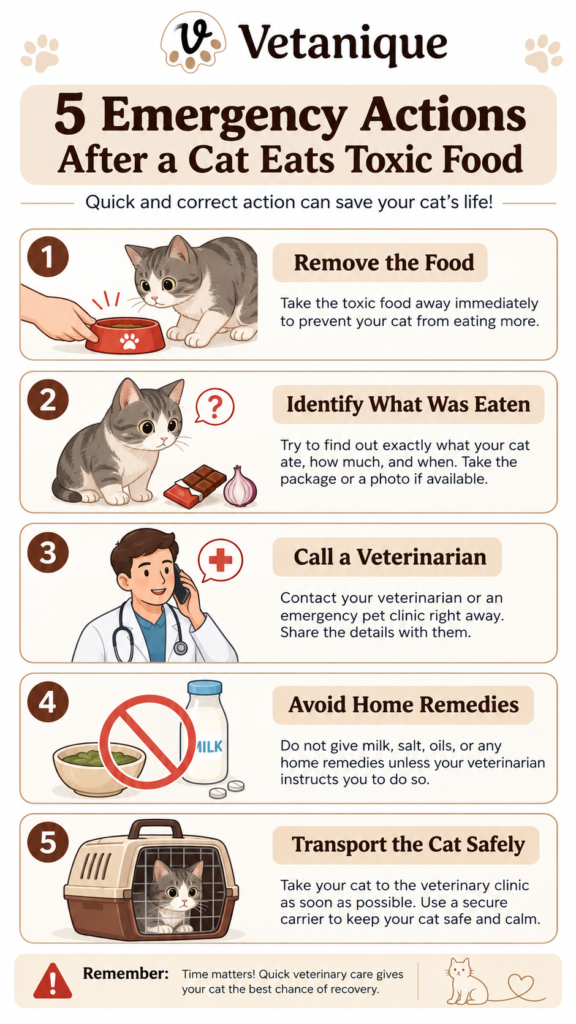
If you suspect your cat has eaten a toxic food:
Early treatment significantly improves outcomes.
Healthy treats include:
| Safe Food | Notes |
|---|---|
| Cooked chicken | Plain, no seasoning |
| Cooked turkey | Boneless |
| Cooked fish | Occasionally |
| Commercial cat treats | Balanced options |
| Small amounts of cooked pumpkin | Supports digestion |
| Prescription treats | For cats with medical conditions |
Treats should make up no more than 10% of your cat’s daily calorie intake.Instead of offering the foods you should never feed your cat, choose veterinarian-approved treats.
Small amounts are unlikely to be toxic, but many cats are lactose intolerant, so cheese is not an ideal treat.
Most adult cats cannot digest lactose properly.
Fresh water is always the best drink.
Yes.
Plain cooked chicken without bones or seasoning is generally safe.
Fully cooked eggs can be offered occasionally in small amounts as a treat, but they should not replace a balanced cat food. Avoid raw eggs due to the risk of bacterial contamination.
Chocolate, onions, garlic, alcohol, cooked bones, and certain raw foods are among the most concerning household foods. The risk depends on the food, the amount eaten, and the individual cat.
Many cases of food poisoning are entirely preventable with a little awareness. While your cat may beg for a taste of your meal, it’s always safest to stick to a complete, balanced feline diet and veterinarian-approved treats.
If your cat accidentally eats a potentially toxic food, don’t wait for symptoms to develop. Contact your veterinarian as soon as possible—prompt treatment can make all the difference.
Remembering the foods you should never feed your cat can help protect your pet from preventable emergencies.
Check More Article
Hidden Facts About Cats: 10 Amazing Things Every Cat Owner Should Know Cats have fascinated humans for thousands...
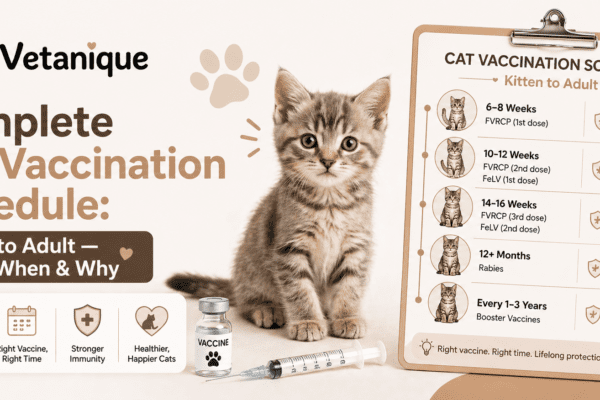
Cat Vaccination Schedule: Kitten to Adult ⚡ QUICK ANSWER Kittens receive their first core vaccines at 6–8 weeks...
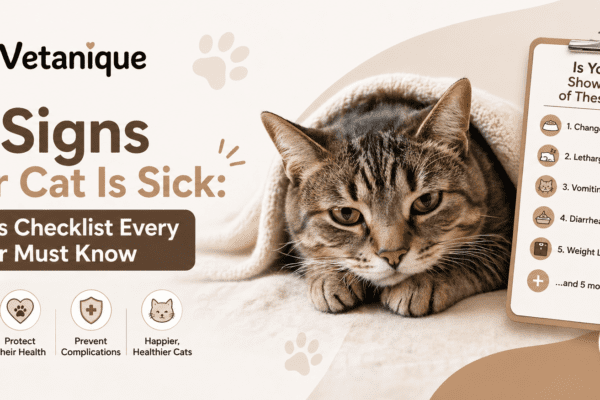
Most Common Signs Your Cat is Sick Cats are masters of disguise when it comes to hiding pain...