
CatCat Facts
Hidden Facts About Cats: 10 Amazing Things Every Cat Owner Should Know
Hidden Facts About Cats: 10 Amazing Things Every Cat Owner Should Know Cats have fascinated humans for thousands...
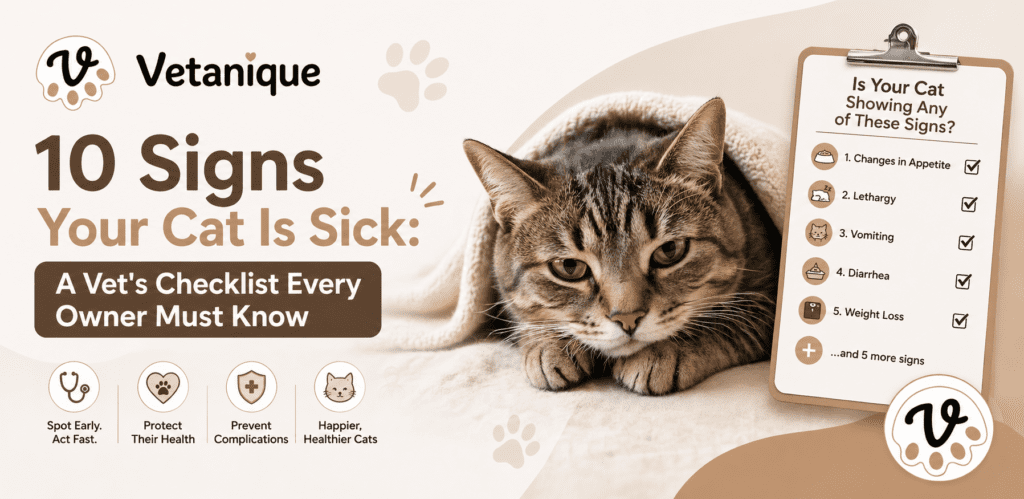
Most Common Signs Your Cat is Sick
Cats are masters of disguise when it comes to hiding pain or illness. It’s a survival instinct inherited from their wild ancestors — showing weakness in the wild made them vulnerable to predators. This means that by the time most cat owners notice something is wrong, the illness may already be advanced.The good news is that if you know what to look for, you can catch health problems early — when they’re easiest and least expensive to treat. This vet-approved checklist covers the 10 most common signs your cat is sick, organized from subtle early signals to urgent emergency symptoms.
| ⚡ QUICK ANSWER |
| The 10 most common signs your cat is sick include: loss of appetite, sudden weight loss, vomiting more than once a week, changes in litter box habits, hiding or withdrawing, unusual aggression, discharge from eyes or nose, changes in grooming behavior, labored breathing, and excessive thirst or urination. If your cat shows 2 or more of these signs, contact your vet within 24 hours. |
A healthy cat should eat enthusiastically at regular mealtimes. Missing a single meal occasionally isn’t always cause for alarm, but a cat that skips meals for more than 24 hours needs veterinary attention.
Unlike dogs, cats cannot safely fast for extended periods. Going 48–72 hours without food can trigger a serious liver condition called hepatic lipidosis (fatty liver disease), which can be life-threatening.
| ⚠️ When To Act |
| Cat refuses food for 24 hours — call your vet. |
| Cat hasn’t eaten for 48 hours — this is an emergency. See a vet immediately. |
| Kitten not eating for 12 hours — urgent. Kittens have very little reserve. |
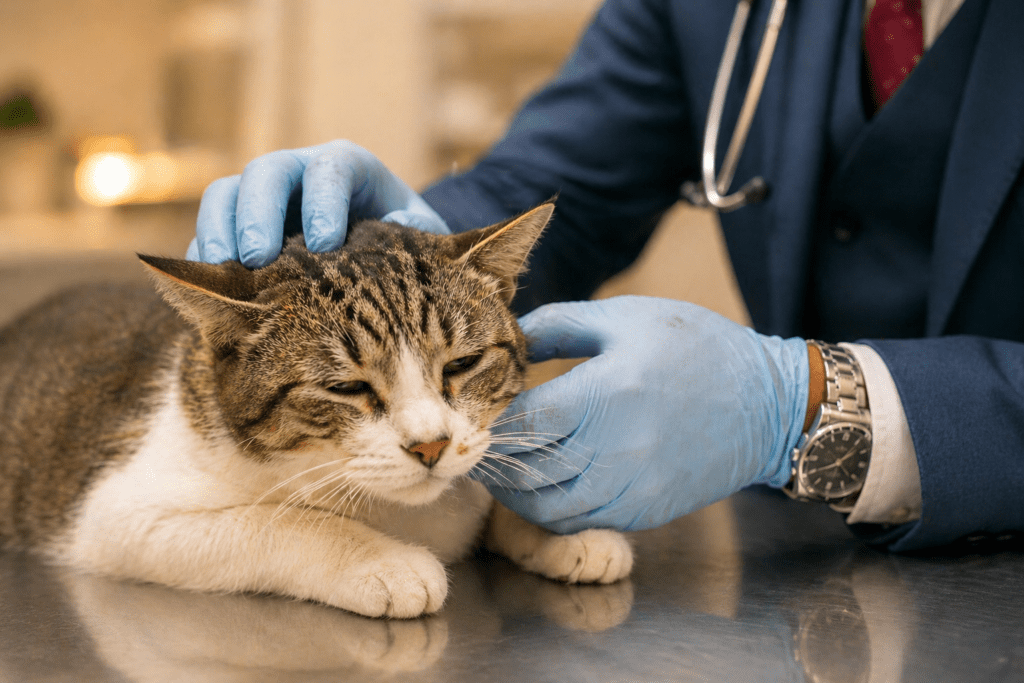
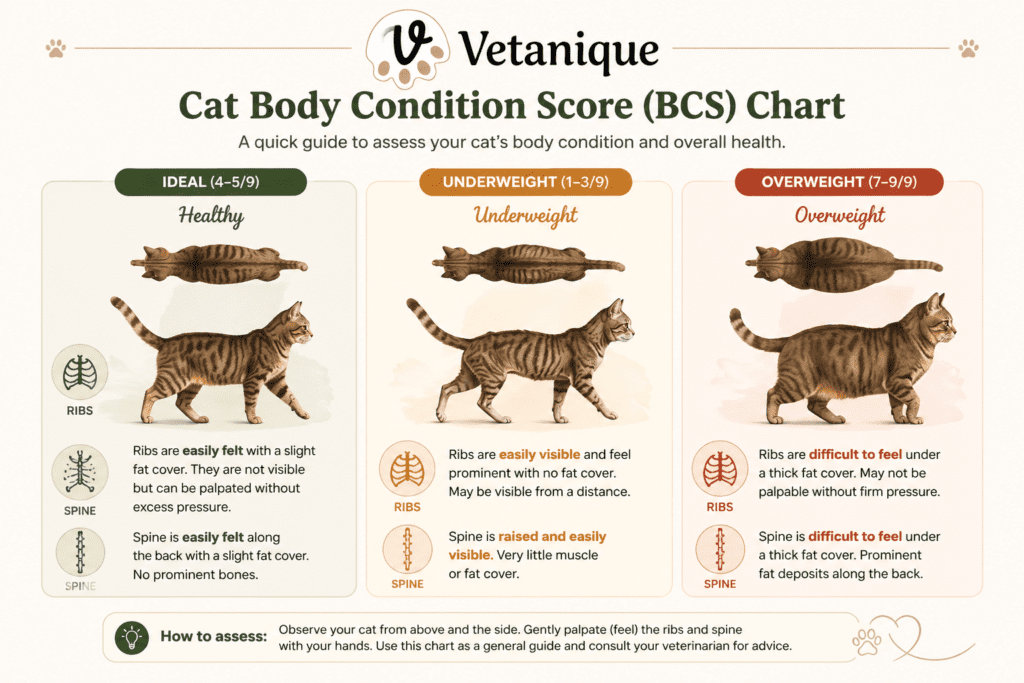
Unexplained weight loss — even in an overweight cat — is always a red flag. You may notice your cat feels bonier when you stroke their spine, or their ribs become easy to feel under the skin.
Weight loss in cats is associated with serious conditions including hyperthyroidism (especially in cats over 8 years), diabetes mellitus, chronic kidney disease, cancer, inflammatory bowel disease, and dental pain.
Many cat owners accept vomiting as ‘normal’ for their cats. Occasional hairball-related vomiting may be expected, but frequent vomiting — more than once per week — is not normal and warrants investigation.
Concerning vomiting includes: bile (yellow liquid), blood or coffee-ground material, undigested food hours after eating, projectile vomiting, or vomiting combined with lethargy or weight loss.
| Type of Vomit | Possible Cause |
| Yellow or green bile | Empty stomach, liver disease, pancreatitis |
| Undigested food | Eating too fast, food intolerance, obstruction |
| Blood (red or brown) | Ulcers, foreign body, serious GI disease — EMERGENCY |
| Hairballs (cylindrical) | Normal if occasional, problematic if frequent |
| Foam or white liquid | Nausea, gastritis, kidney disease |
Your cat’s litter box habits are one of the most reliable health indicators available to you. Any change in frequency, consistency, color, or location of elimination should be investigated.
A normally social cat that suddenly starts hiding, avoiding interaction, or retreating to unusual spots is often masking pain or discomfort. This behavioral change is one of the most reliable early indicators that something is wrong.
Cats instinctively hide when they feel unwell or vulnerable. If your cat suddenly spends long periods under the bed, in closets, or in other isolated spots, schedule a vet check — don’t wait for additional symptoms to develop.
A cat that becomes uncharacteristically aggressive — hissing, swatting, biting, or growling when touched — is often reacting to pain. Common causes include arthritis (especially in older cats), dental pain, an abscess or injury, or neurological changes.
If your previously gentle cat suddenly bites when you touch a specific area of their body, that area likely hurts. Book a vet appointment to identify the source.
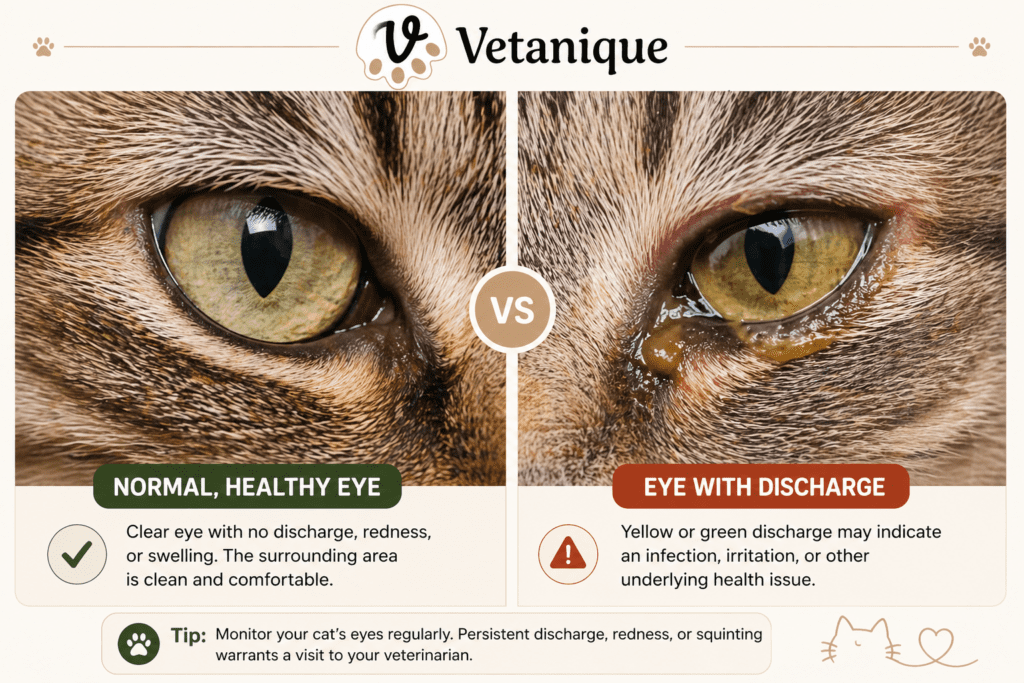
Any discharge from your cat’s eyes or nose should be evaluated, especially if it’s colored (yellow or green) or persistent. Thick discharge often indicates a bacterial or viral upper respiratory infection.
| Discharge Type | What It May Mean |
| Clear, watery eye discharge | Mild irritation, viral conjunctivitis, herpesvirus |
| Yellow/green eye or nose discharge | Bacterial infection — needs antibiotics |
| Bloody nasal discharge | Trauma, nasal polyps, fungal infection, serious illness |
| Drooling/mouth discharge | Dental disease, oral ulcers, nausea, toxin ingestion |
Over-grooming: Creates bald patches, skin lesions, or raw areas. Often linked to allergies, parasites (fleas), pain in the groomed area, or stress and anxiety disorders.
Under-grooming: A coat that looks greasy, matted, or dull means your cat is either in pain (arthritis makes grooming difficult), obese, or systemically unwell. Senior cats often stop grooming when ill.
Cats should breathe quietly and effortlessly. Open-mouth breathing in cats is NEVER normal (unlike in dogs) and requires immediate veterinary attention. Any of the following are emergencies:
| 🚨 EMERGENCY |
| If your cat is breathing with its mouth open or showing any signs of respiratory distress, go to an emergency vet IMMEDIATELY. Do not wait to see if it improves. Respiratory emergencies can be fatal within minutes to hours. |
A cat that suddenly starts drinking noticeably more water and urinating more frequently (polyuria/polydipsia) should be examined promptly. This classic symptom combination is associated with diabetes mellitus, chronic kidney disease (CKD), hyperthyroidism, and liver disease — all serious but manageable conditions when caught early.
A healthy cat drinking from a water fountain or bowl occasionally is normal. It’s the sudden increase that matters — particularly if you’re refilling the bowl more often or noticing wetter litter clumps.
| Sign | Possible Cause | Urgency |
| Not eating (24+ hours) | Illness, pain, stress | ⚠️ Call vet today |
| Weight loss | Kidney disease, thyroid, cancer | ⚠️ Book within 48 hrs |
| Frequent vomiting | GI disease, obstruction, kidney | ⚠️ Call vet today |
| Litter box changes | UTI, blockage, GI disease | 🚨 Straining = Emergency |
| Hiding/withdrawing | Pain, illness, fear | ⚠️ Vet within 48 hrs |
| Sudden aggression | Pain, neurological issue | ⚠️ Book this week |
| Eye/nose discharge | Infection, virus | ⚠️ Call vet today |
| Grooming changes | Allergies, arthritis, stress | ⚠️ Book this week |
| Breathing difficulty | Heart, lungs, obstruction | 🚨 Emergency — go now |
| Excess thirst/urination | Diabetes, kidney disease, thyroid | ⚠️ Book within 48 hrs |
Yes. Some conditions — particularly hyperthyroidism and diabetes — can cause a cat to eat voraciously while still losing weight. A normal appetite does not rule out illness.
Cats hide pain well. Key signs include hunched posture, squinting eyes, reduced grooming, reluctance to jump, decreased appetite, hiding, and uncharacteristic aggression when touched in a specific area.
For mild symptoms (one skipped meal, one episode of soft stool), monitoring for 12–24 hours may be reasonable. For persistent symptoms, multiple signs, or anything severe (breathing problems, unable to urinate), always call a vet immediately.
At minimum, once a year for cats under 8 years, and twice yearly for senior cats (8+). Regular check-ups catch problems early before they become expensive or life-threatening.
Hidden Facts About Cats: 10 Amazing Things Every Cat Owner Should Know Cats have fascinated humans for thousands...
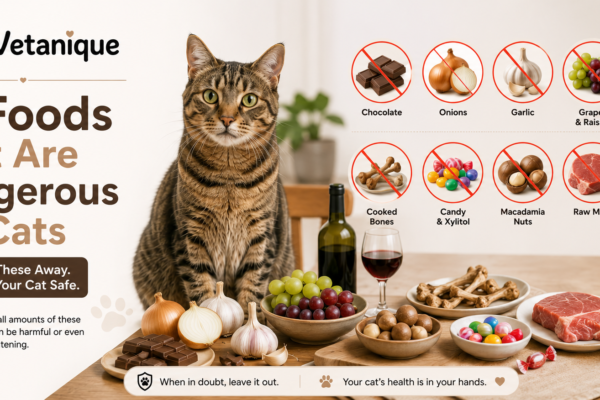
10 Foods You Should Never Feed Your Cat Knowing the foods you should never feed your cat is...
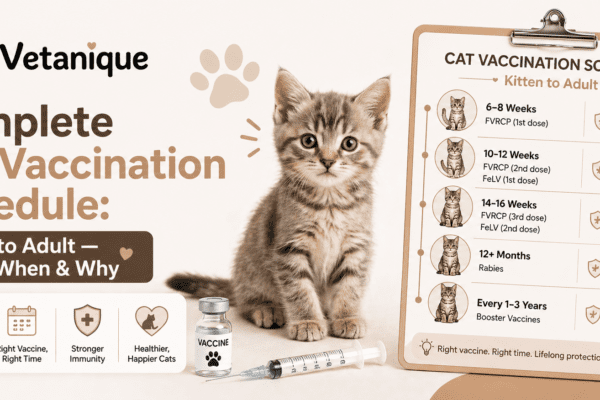
Cat Vaccination Schedule: Kitten to Adult ⚡ QUICK ANSWER Kittens receive their first core vaccines at 6–8 weeks...